
What the 2026–27 Women’s Budget Means for People Experiencing Family Violence
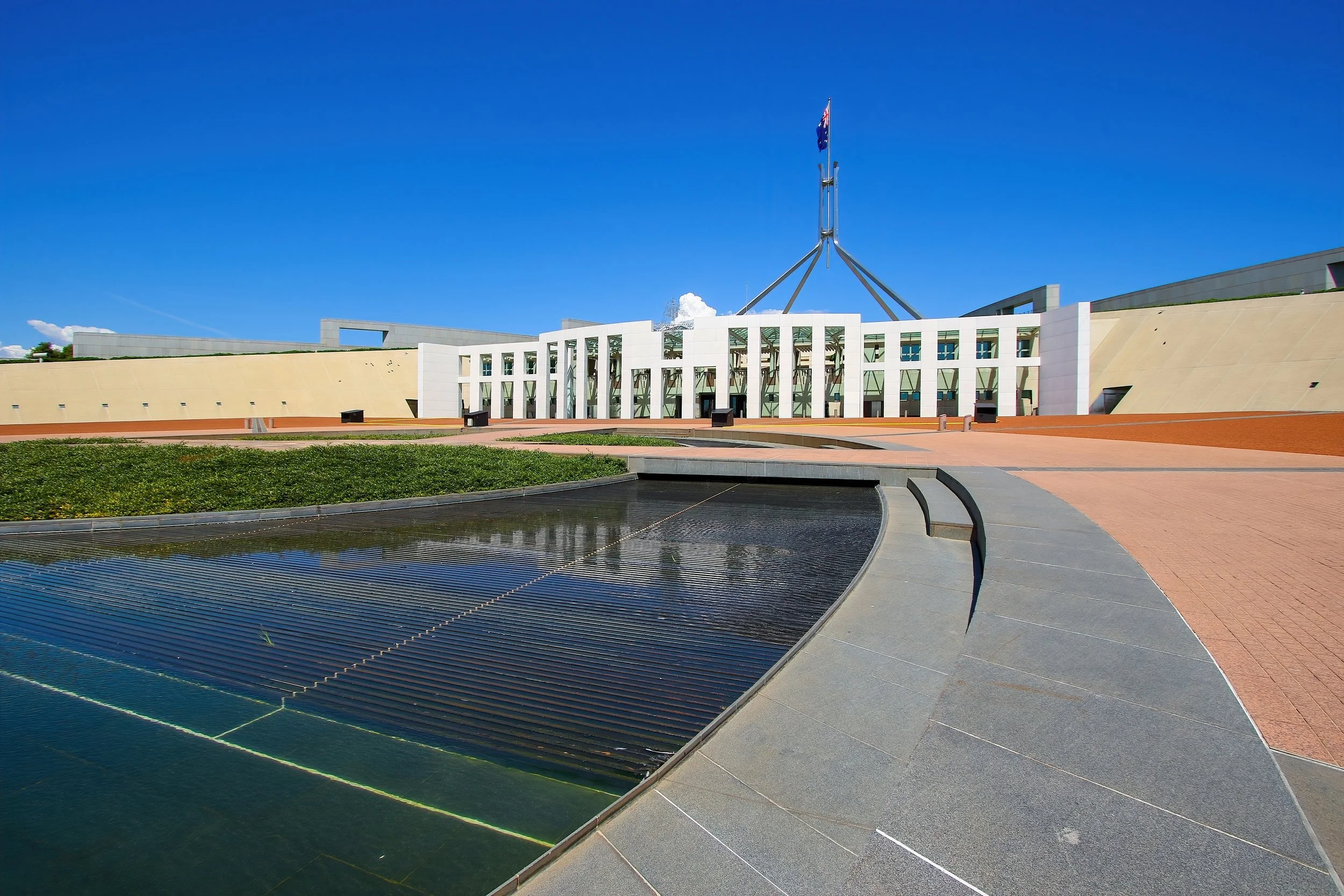
The Federal Government’s Women’s Budget Statement 2026–27 includes important reforms aimed at improving safety, financial security and legal outcomes for people affected by family violence and domestic violence.
For many victim-survivors, family violence does not simply end when a relationship ends. Abuse can continue after separation through financial pressure, child support disputes, housing insecurity, legal processes and the misuse of government systems.
One of the most significant themes in this Budget is the recognition that family violence is not limited to physical violence. It can include financial abuse, coercive control and what is often described as “systems abuse” — where a person uses government, legal or administrative systems to maintain control over a former partner.
This recognition matters.
It reflects what many victim-survivors already know from lived experience: leaving the relationship is often only one part of the journey. The legal, financial and practical impacts can continue long after separation.
Family violence can continue after separation
Post-separation abuse can take many forms. It may involve refusing to pay child support, hiding income, repeatedly making unreasonable demands, using legal processes to intimidate or exhaust the other person, or exploiting systems that require ongoing communication between separated parents.
These behaviours can place enormous pressure on victim-survivors, particularly where children are involved.
The 2026–27 Women’s Budget acknowledges that safety, housing, financial stability and legal outcomes are deeply connected. A person may want to leave a violent relationship, but face very real barriers, including:
lack of access to money
fear of homelessness
concern about children’s safety
uncertainty about child support
pressure from ongoing legal or administrative processes
limited support networks
fear that systems may be used against them
By recognising these issues at a policy level, the Budget takes an important step toward responding to family violence as a structural issue, not just an individual crisis.
Financial abuse is being recognised more clearly
Financial abuse is a common but often misunderstood form of family violence.
It can include controlling access to money, preventing someone from working, creating debts in their name, hiding income, refusing to contribute to children’s expenses, or using financial systems to continue control after separation.
The Budget’s focus on financial abuse is significant because it acknowledges that economic harm can have long-term consequences. A person leaving violence may be dealing with immediate safety concerns while also trying to manage rent, children’s expenses, debt, Centrelink, child support, legal fees and future financial security.
For family law matters, this recognition is important. Family violence can affect property settlement, parenting arrangements, housing needs and a person’s ability to safely participate in legal proceedings.
Recent family law changes have also strengthened the recognition of the economic impact of family violence and the importance of children’s housing needs when courts are making certain decisions.
Child support reform is a major focus
One of the most important reforms identified in the Women’s Budget Statement relates to the Child Support Scheme.
Child support is intended to support children. However, in some circumstances, it can be misused as a way to control, harass or financially harm a former partner.
This can happen where one parent:
refuses to pay child support
deliberately under-reports income
hides income or assets
uses private collection arrangements to maintain control
repeatedly disputes or delays payments
uses required communication as a way to harass the other parent
creates financial uncertainty for the other household
The Budget recognises that this can form part of post-separation coercive control.
The announced reforms include measures aimed at making child support safer and more reliable for parents who have experienced domestic violence.
Moving from Private Collect to Agency Collect
A key change is making it easier to move from Private Collect to Agency Collect.
Under Private Collect, parents arrange payment between themselves. This can work well in some situations, but it can be unsafe or impractical where there is family violence, coercive control or a history of financial abuse.
Agency Collect allows Services Australia to collect and transfer child support payments. This can reduce the need for direct contact and provide a more structured process.
For victim-survivors, this may offer greater safety, accountability and predictability.
Stronger powers to respond to harassment
The Budget also refers to stronger powers for Services Australia to respond to vexatious or harassing conduct within the child support system.
This is important because abuse is not always obvious on the surface. Repeated administrative actions, excessive disputes or manipulative use of processes can create stress, fear and financial instability.
Where safety is an issue, reducing unnecessary contact and limiting opportunities for harassment can make a meaningful difference.
Better enforcement where income is hidden or payments are avoided
Another important reform involves improved income verification and stronger enforcement.
In family law and child support matters, deliberate income suppression can be a serious issue. A parent may claim to earn less than they actually do, delay tax returns, work cash jobs, reduce hours artificially or structure finances in a way that minimises child support obligations.
The Budget identifies stronger income verification through systems such as Single Touch Payroll and tax enforcement.
It also refers to increased use of employer withholdings and Departure Prohibition Orders for significant child support debts.
For parents relying on child support to meet children’s everyday needs, stronger enforcement can be critical.
The Budget recognises “systems abuse”
Another important theme is the Government’s recognition of systems abuse.
Systems abuse occurs when a person misuses legal, financial, administrative or government systems to continue control over someone else.
This can involve:
child support systems
tax systems
Centrelink or social security
corporate structures
superannuation
debt
court processes
repeated complaints or applications
For people experiencing family violence, this can feel overwhelming. They may be trying to rebuild their life while also responding to multiple systems, letters, forms, deadlines and disputes.
The recognition of systems abuse is important because it validates what many victim-survivors experience: abuse can continue through paperwork, processes and financial pressure.
It also reinforces the importance of looking beyond the immediate family law dispute. A person’s legal options may involve not only parenting arrangements or property settlement proceedings, but also child support, Centrelink, tax, debt, housing and support services.
Support to leave violence
The Budget also continues the Leaving Violence Program, which provides practical support to people leaving violent relationships.
Eligible victim-survivors may be able to access up to $5,000 in financial assistance, along with safety planning and referrals to support services.
This support can help with urgent needs such as:
rent
transport
essential items
safety-related expenses
relocation costs
immediate support when leaving an unsafe home
Importantly, this type of assistance recognises that leaving violence is not only an emotional or legal decision. It is often a financial and practical one.
A person may need money for accommodation, transport, children’s items, replacing documents, changing locks, or simply surviving the first few weeks after leaving.
Practical support can make a real difference to whether someone feels able to take the next step.
Housing remains central to safety
Safe housing is one of the biggest barriers for people leaving family violence.
The Budget continues investment in crisis accommodation, transitional housing and safe places for women and children.
This matters because housing instability can affect almost every part of a family law matter. It can influence parenting arrangements, children’s routines, school stability, financial recovery and a person’s ability to participate in legal processes.
For parents leaving violence, safe housing is not just about having somewhere to stay. It is about safety, dignity and stability.
Family law protections continue
The Budget also continues support for important family law protections, including measures designed to prevent victim-survivors from being directly cross-examined by perpetrators.
This is an important safeguard.
Court processes can be intimidating and traumatic, particularly where there has been family violence. Measures that reduce direct confrontation and improve risk screening help make the family law system safer and more responsive.
The ongoing use of court risk-screening programs also reflects a broader shift toward identifying family violence earlier and managing cases in a way that better protects children and vulnerable parties.
What this means for parenting and property matters
For family law clients, these reforms may have practical significance in both parenting arrangements and property settlement matters.
In parenting matters, family violence may be relevant to:
children’s safety
parental communication
changeover arrangements
supervision
risk management
decision-making responsibility
the need for protective conditions
In property matters, family violence may be relevant to:
financial hardship
housing needs
economic disadvantage
debts
reduced earning capacity
the impact of coercive control
the practical cost of leaving violence
The Budget’s recognition of financial abuse and systems abuse supports a broader understanding of how violence affects people after separation.
What this means in practice
For people affected by family or domestic violence, these reforms may mean:
stronger recognition of financial abuse
safer child support processes
more support to leave violent relationships
better understanding of post-separation control
greater focus on housing and financial stability
stronger links between family law, child support and support services
more practical options outside the courtroom
Every situation is different. The right pathway will depend on your safety, your children, your finances and your legal circumstances.
Early legal advice can help
If you are experiencing family violence or post-separation abuse, early legal advice can help you understand your options.
A family law lawyer can assist with:
protection from domestic violence
child support options
financial abuse concerns
urgent safety issues
referrals to support services
planning a safer pathway forward
Legal advice can also help identify whether there are practical steps available outside court, including child support changes, support payments, housing referrals or safety planning.
For further reading, explore how financial pressures can make it harder to leave and our reflection on Hannah Clarke’s legacy and post-separation risk.
Need advice?
At KLM Solicitors, our family law team provides trauma-informed advice for people navigating separation, parenting, property and domestic violence matters.
If you are affected by family or domestic violence, you do not have to navigate this alone.
Early advice can help you understand your rights, protect your safety and make informed decisions about your next steps.
Contact KLM Solicitors to arrange a confidential discussion with our team.